
No sign of cysts
The kidney is stable. The third cyst was gone by March 2025, the largest had lost about 97% of its volume.
Case study · Infant polycystic kidney
Cysts were seen on ultrasound before he was born. The doctors called it incurable: it will only progress, the kidney will have to be removed, and neurological damage will follow. Here is what we found—and what changed.
Clinical case · Private Concierge · anonymous at the parents’ request · illustrations only, no photos of the child
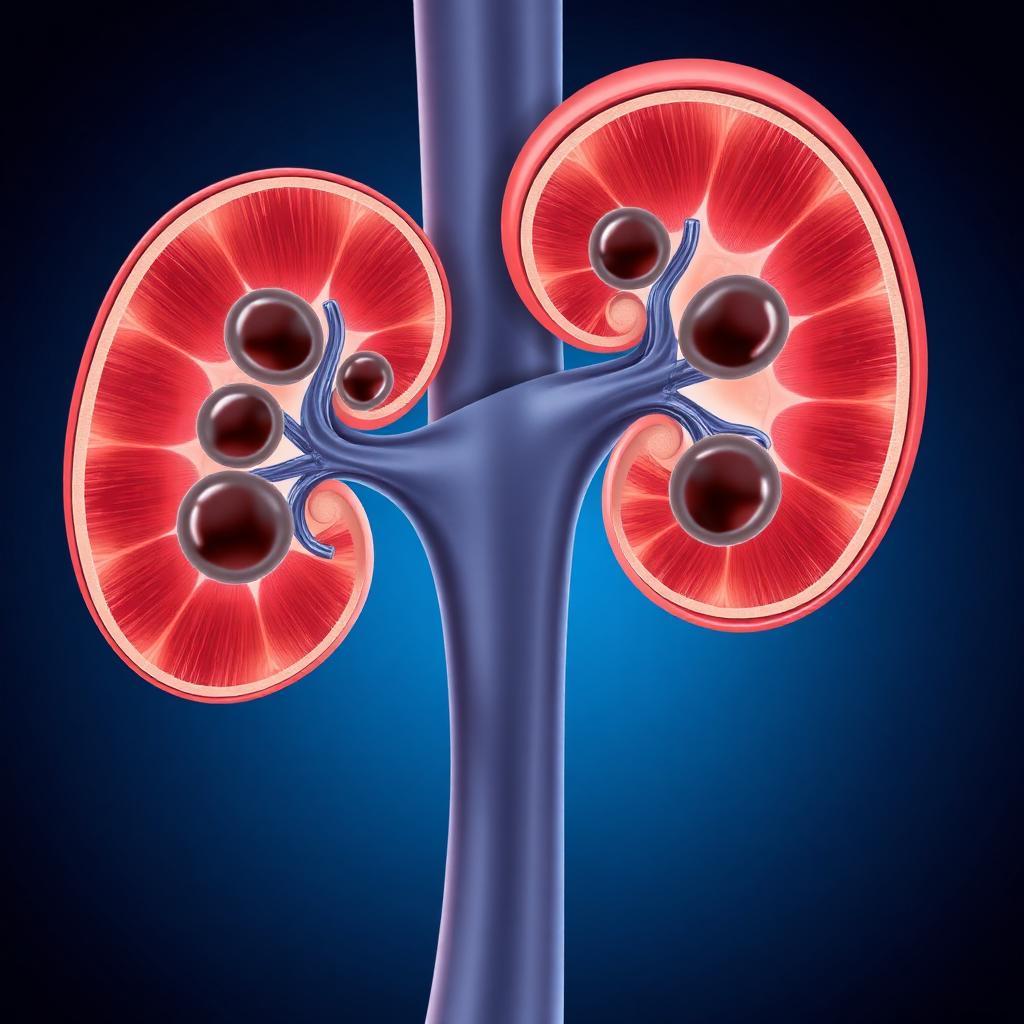
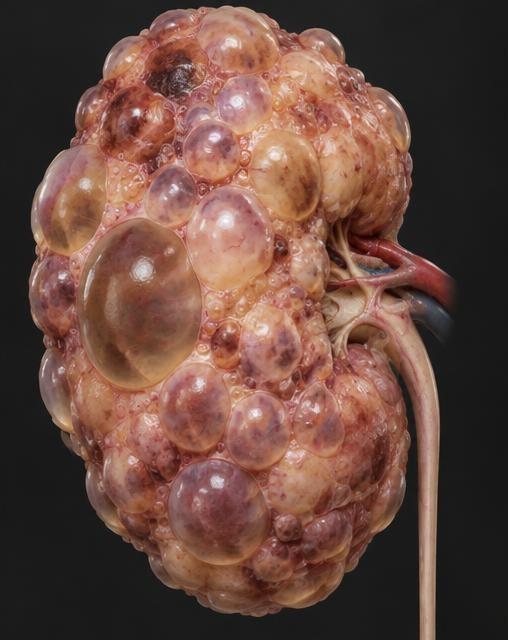
Before
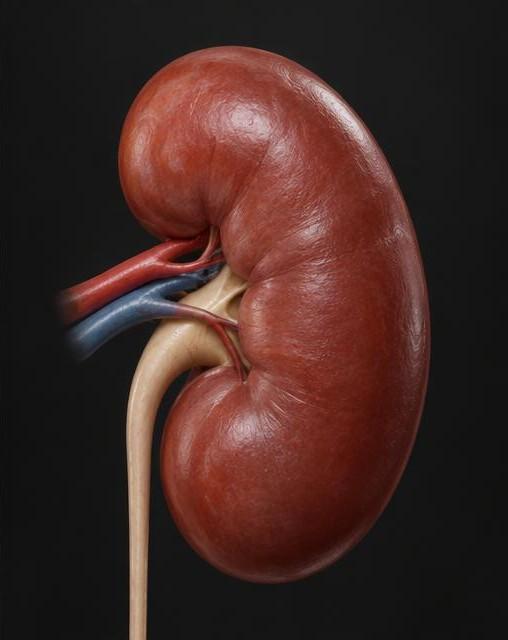
After
Before → After
Kidney cysts
BeforeMany cysts in the left kidney; largest 21×19×16 mm
AfterStable kidney, no sign of cysts
Prognosis
Before“Incurable”—will progress, kidney removal
AfterKidney kept
Neurology
BeforeWarned of damage from abnormal amino acid metabolism; possible PKU
AfterZero issues with neurological development
Urine
BeforeWhite blood cells and protein in the urine
AfterHidden bacterial infection found and cleared
Liver
BeforeLiver dysfunction with associated porphyria
AfterLiver supported; bowels and urine cleared out
Everyday
BeforeWorked with since birth — his symptoms never got the chance to show
AfterGreat appetite, sleeps through the night, normal energy and normal behavior
Overall
BeforeA newborn with a failing prognosis
AfterHealthy and growing
What they came in with
An infant boy. The cysts were spotted on ultrasound in utero, and the verdict came early: polycystic kidney, incurable.
This will only progress. The kidney will have to be removed. Neurological damage will happen from abnormal amino acid metabolism.
Many cysts in the left kidney. The three largest: 21×19×16 mm, 12×11×11 mm and 8×6×5 mm. Right kidney 5.3 cm, left 4.0 cm.
Amino acid imbalances, with potential PKU on the table.
White blood cells and protein in the urine.
What the assessments revealed
The cysts were the diagnosis. Nobody had asked why the kidney was under attack.
What testing showed
97%
Volume lost by the largest cyst in under a year
April 2024 to March 2025. The third cyst disappeared.
Diagnosis
Many cysts, the largest 21×19×16 mm, first seen in utero.
Broader picture
The liver turned out to be a root cause, with associated porphyria. A struggling liver leaves the kidneys carrying the load.
Broader picture
Imbalances serious enough that PKU was suspected—the reason doctors warned of neurological damage.
Broader picture
Around age 2, significant bacteria showed up in the urine and urinary system. We believe it was in the amniotic fluid and affected him from birth, hidden in biofilm in the kidneys.
Ultrasounds April 2024, November 2024, March 2025 and July 2026; private records are not published.
The big picture
Liver dysfunction, porphyria, amino acid imbalance and a bacterial infection hiding in kidney biofilm were one story. Fix the systems feeding the kidney, and the kidney stops being attacked.
Standard care watched the cysts and planned the surgery. It didn’t look at the liver, the metabolism, or what was living in the urinary tract.
We can’t separate exactly how much each therapy contributed, and every child is different.
The high-level protocol
01
His mother cleaned up her diet and took supplements that reached him through breast milk.
02
Infrared red light, PEMF therapy, detox foot baths and lymphatic baby massage.
03
Liver function became the priority once we found it, along with the porphyria.
04
As liver and immune function improved, his body started clearing the bacteria.
Priorities, not a shopping list. Nothing here was given to the baby beyond gentle therapies and breast milk.
The biggest needle-mover
The cysts kept shrinking and resolving, but we kept working on every system that contributed. Working the liver brought very intensely colored, strong-smelling bowel movements and urine—his body clearing out. Then the hidden bacterial infection surfaced, and as liver and immune function improved, it started eliminating.
The doctors said it isn’t possible to see cysts resolve. This is just lucky.
The outcome and timeline
In utero
Cysts seen on ultrasound. Prognosis: progression, kidney removal, neurological damage.
April 2024
Many cysts in the left kidney. Largest three: 21×19×16, 12×11×11 and 8×6×5 mm.
November 2024
Right kidney normal, no cysts (6.4 cm). Left kidney’s largest cysts down to 8×10×8, 7×7×7 and 5×5×7 mm. Left kidney 3.1 cm as inflammation came down.
March 2025
Largest cyst 6×4×7 mm, second 5×4×6 mm, the third gone.
Around age 2
A significant bacterial infection appeared in the urine as liver and immune work continued—then began clearing.
July 2026
Kidney stable with no sign of cysts. Zero issues with neurological development. Great appetite, sleeps through the night, normal energy and normal behavior.
The kidney is stable. The third cyst was gone by March 2025, the largest had lost about 97% of its volume.
No removal. The right kidney is 6.8 cm, slightly above the norm for his age.
Despite warnings about amino acid metabolism, zero issues with neurological development.
A bacterial infection likely present since birth surfaced and began eliminating.
Great appetite, sleeps through the night, normal energy and normal behavior. We’ve worked with him since birth, so his symptoms never had the chance to take hold.
The left kidney is small for his age (2.9 cm) after years of cysts and inflammation, and we keep monitoring it.
What follow-up testing showed
April 2024, November 2024, March 2025 and July 2026: each ultrasound showed smaller cysts until none were left. The July 2026 scan shows a stable kidney with no sign of cysts, and he’s healthy and growing.
Largest cyst
Size (mm)
Second cyst
Size (mm)
Third cyst
Size (mm)
Right kidney
Length
Left kidney
Length
Percentages are cyst volume change (length × width × depth) from the ultrasound reports. Private records and images are not published.
The skeptic’s question & the limits
That’s what his doctors said. But luck doesn’t produce four scans in a row moving the same direction, a third cyst disappearing, and a hidden liver, porphyria and bacterial picture that—once addressed—lined up with the kidney clearing. We didn’t chase the cysts. We chased why the kidney was under attack.
Get evaluated, don’t assume: Fever, vomiting, fewer wet diapers or blood in the urine in a baby needs a doctor today.
That’s exactly what they told the parents: it isn’t possible to see cysts resolve, this is just lucky. Three measured cysts shrank scan after scan for a year, the third disappeared, and the July 2026 scan shows the kidney stable with no sign of cysts. Luck doesn’t follow a timeline. We kept working on the systems feeding the kidney problem—liver, immune function and a hidden bacterial infection—and the scans followed.
Through his mother. She cleaned up her diet and took supplements that reached him through breast milk. On him directly we used only gentle therapies: infrared red light, PEMF, detox foot baths and lymphatic baby massage.
The left kidney was the one full of cysts and inflammation. As the inflammation came down and the cysts shrank, the swollen kidney shrank with them, from 4.0 cm to 3.1 cm and then 2.9 cm. The right kidney grew to 6.8 cm, slightly above the 6.2–6.3 cm expected for his age. The July 2026 scan shows the kidney stable with no sign of cysts.
From the three diameters on each ultrasound report, using cyst volume (length × width × depth). Comparing April 2024 with March 2025: the largest cyst lost about 97% of its volume, the second about 92%, and the third was gone.
No promise. We select our most striking cases on purpose. What this case shows is that a kidney called “incurable” deserved an investigation into why it was failing—and that investigation found the liver, porphyria and a bacterial infection nobody had connected.
Great appetite, sleeps through the night, normal energy and normal behavior. We have worked with him since birth, so his symptoms never really had the opportunity to show up at home. The change lives in the scans and in the systems we were treating: the liver, the metabolism, and the infection that was hiding in his urinary tract.
Stay with your pediatric nephrologist and keep every scan. Then ask what else is being looked at: liver function, amino acid metabolism, urine for white blood cells, protein and bacteria, and the mother’s health if she’s breastfeeding. That whole-family investigation is what Private Concierge is for.
This is your calling
Waiting for the next appointment to finally be the one. For the next supplement, the next scan, the next specialist to hand you the magic thing. Waiting for something—anyone—to change.
Here is the truth: there is no magic thing. There is your whole picture, investigated. And there is a bigger reason to get it right.
A life
you do not need to recover from.
Ambition
that builds your dream life instead of draining it.
A family
that is an actual family—present, connected, making memories.
Success should not cost you your health, your home, or yourself.
We don’t guess. We assess. Private Concierge starts with data, then curates an individualized healing program implemented alongside you.
All case studies